AHR 2026: What Commercial HVACR Leaders Are Prioritizing
From predictive maintenance to dealer enablement and energy control, commercial HVAC leaders are aligning around operational impact.
Published
February 26, 2026
Author
Iryna Liashchuk
Last week, our leadership team attended the AHR expo — a major HVACR event in North America, spending time on the floor and in meetings with product, innovation, and service leaders across commercial HVACR.
We already work closely with OEMs in this space, but events like AHR are valuable for a different reason. They offer a concentrated view into how priorities are shifting — not in slide decks, but in real conversations.
This year, what stood out wasn’t a new technology announcement. It was an alignment. Across multiple discussions, three priorities consistently surfaced for 2026:
Predictive maintenance is needed as a core capability
Deals and Installers now expect Digital Tools
Energy efficiency as an operational lever
Not as separate initiatives — but as connected parts of the same system.
1. Predictive Maintenance Is Becoming Operational Infrastructure
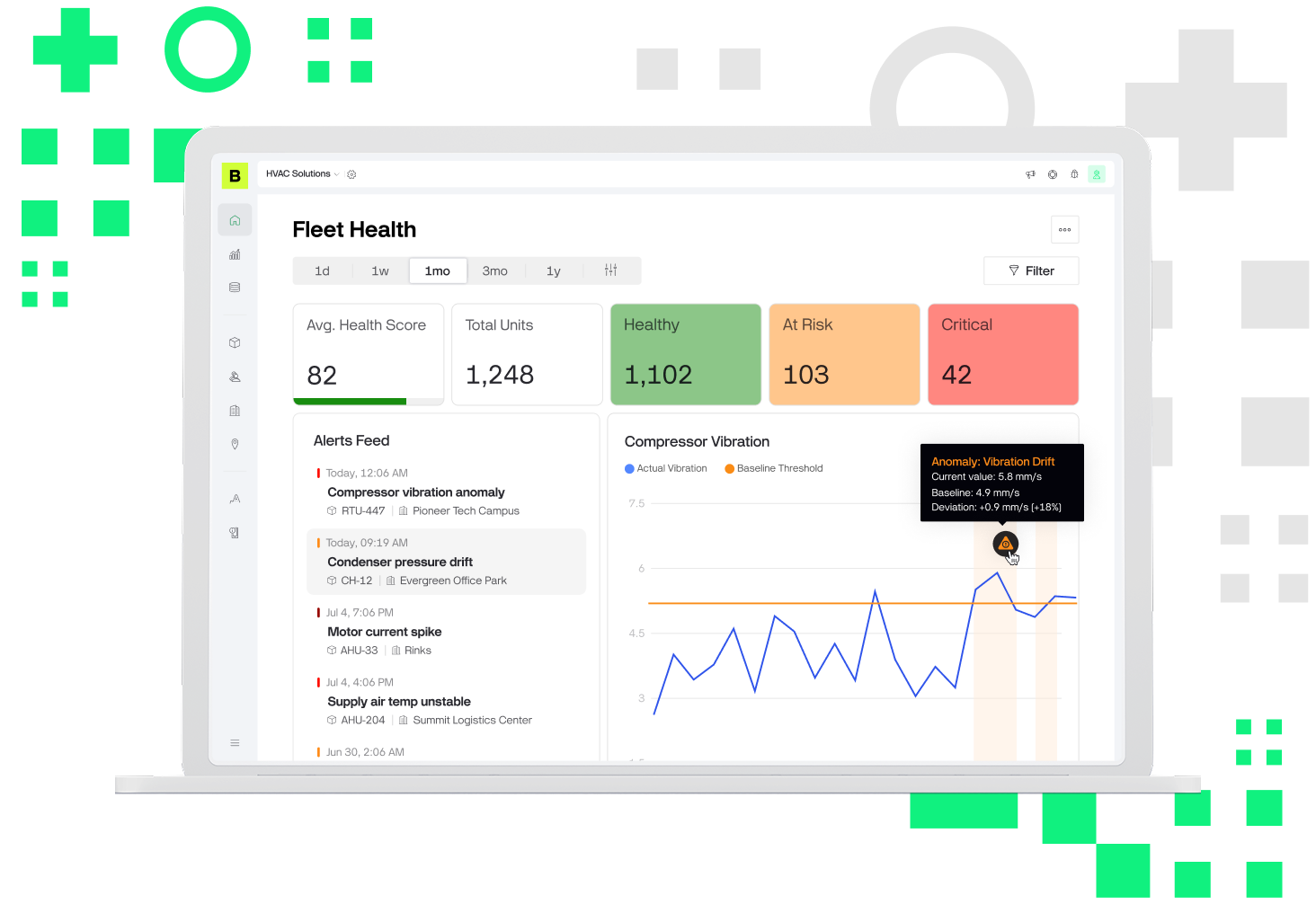
Most OEMs are past the “should we connect?” phase. The focus now is impact: How do we reduce failure impact across distributed fleets?
For commercial HVACR assets — RTUs, chillers, AHUs — downtime escalates quickly. Spoilage, tenant complaints, production loss, compliance risk. The financial consequences are real.
Predictive maintenance is no longer being framed as AI layered on top of telemetry. It’s being framed as:
Earlier detection — before failure occurs
Better prioritization
Fewer emergency dispatches
More prepared technicians
One theme came up repeatedly: data without workflow integration doesn’t change outcomes. OEMs are increasingly looking at predictive maintenance as part of loss prevention and service strategy, not just product differentiation.
2. Installer and Dealer Apps Are Moving to the Centre
Another clear message: service channels are strategic.
Commercial HVACR OEMs depend heavily on dealers and service partners, yet many still struggle with:
Inconsistent or complex provisioning processes
Limited visibility into deployed assets
Reactive servicing
Fragmented service documentation
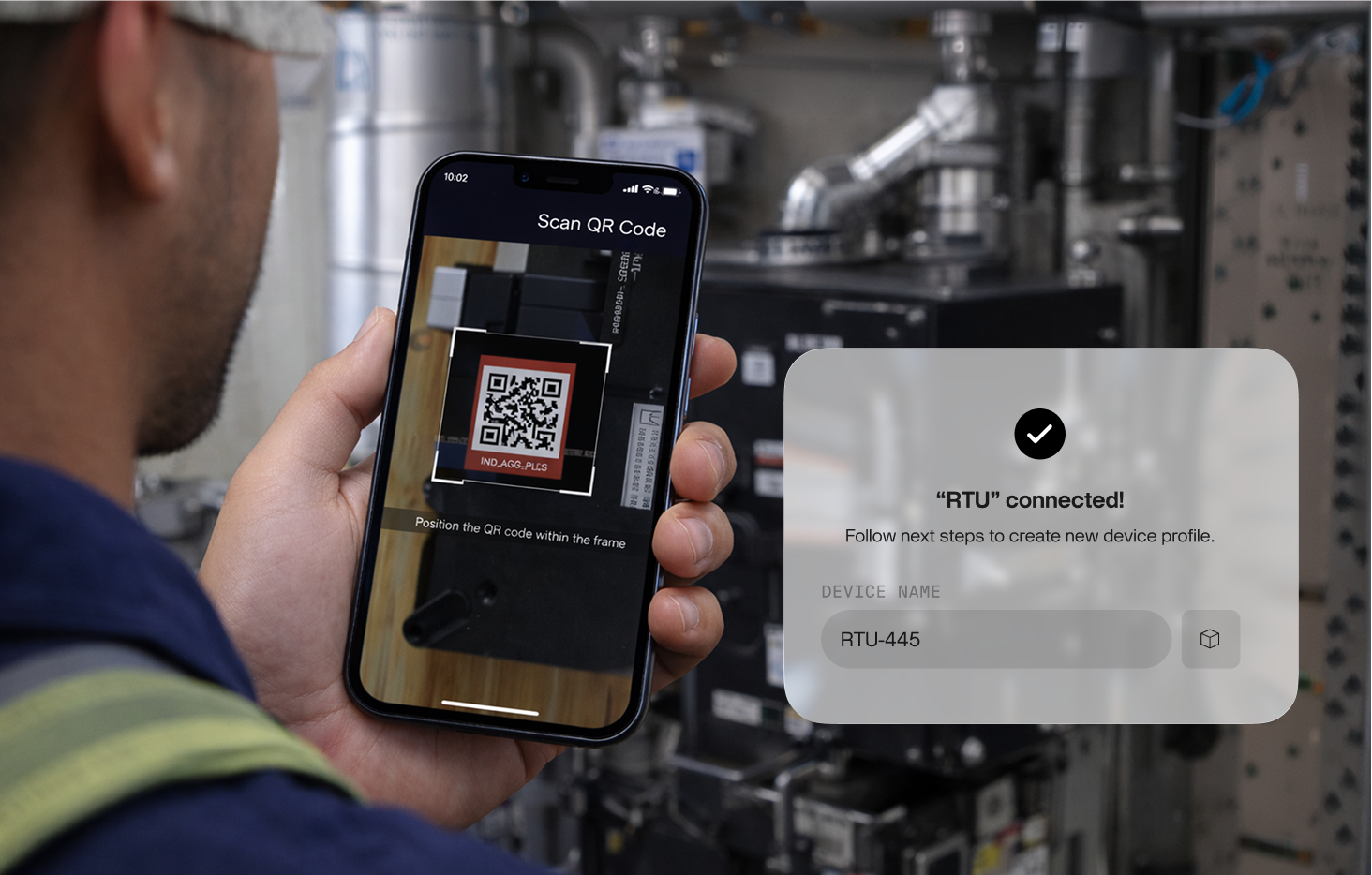
In one deployment discussed, as many as 60-70% of connected devices were never activated in the field because onboarding was too complex. Dealer apps, and especially frictionless provisioning, are becoming operational control layers.
When technicians can provision devices quickly, access live asset data, and follow structured service workflows, OEMs gain more than efficiency. They gain traceability, consistency, and real feedback loops into product development.
3. Energy Efficiency Is Being Treated as a Continuous Variable
Commercial HVAC systems are among the largest electrical loads in buildings. They operate continuously — and they drift.
In addition to how efficient equipment is at installation, there are conversations around how efficiency is managed over its lifecycle.
Recurring themes included:
Early detection of performance drift
Dynamic setpoint optimization
Reduced peak exposure
Participation in demand response programs
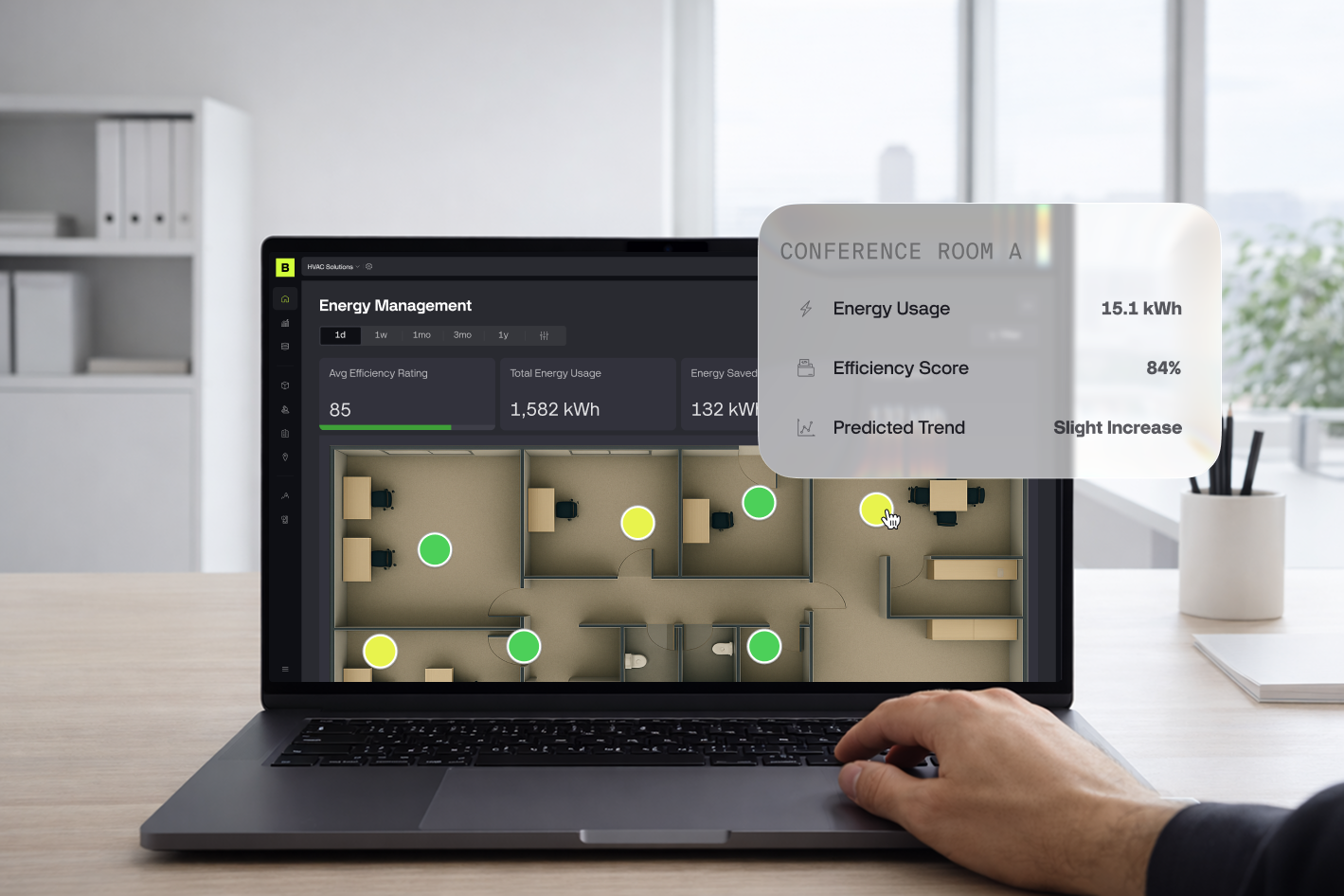
Energy optimization is being treated less as a sustainability narrative and more as economic control.
Interestingly, many linked this directly back to predictive maintenance. Efficiency degradation is often the first sign of mechanical issues. Addressing it early protects both energy costs and equipment health.
The Pattern Beneath the Themes
What stood out most was the integration mindset. Predictive maintenance, dealer enablement, and energy optimization are increasingly being designed together.
When combined:
Early fault detection reduces downtime
Structured service data improves diagnostics
Energy insights surface issues sooner
Strong dealer tools improve uptime and customer experience
Connectivity, in this context, is no longer about dashboards. It’s about building a digital layer around the infrastructure — one that protects uptime, improves service economics, and turns energy performance into a managed variable. That was the most consistent signal coming out of AHR this year.
Turning Priorities Into Systems
At Blynk, this convergence is exactly what we are building for.
Predictive insights must connect directly to service workflows. Dealer enablement must live in the same operational layer as monitoring and diagnostics. Energy optimization requires continuous, structured telemetry and control.
As OEMs move from pilots to scaled deployments, the focus is shifting from adding features to building durable digital infrastructure around their equipment.
That shift — from connectivity as a feature to connectivity as operational foundation — is where we are actively working with the industry today.
Predictive maintenance came up in nearly every conversation at AHR. It's also what we build. SmartHVAC is our predictive maintenance solution for commercial HVAC and refrigeration, built to catch equipment failures before they turn into downtime, spoilage, or emergency callouts.
Sign up for a newsletter
Get latest news from Blynk
Over 500,000 people already signed up our newsletter. We never spam.
Thank you! Your submission has been received.
Oops! Something went wrong while submitting the form.






.png)